 MIA
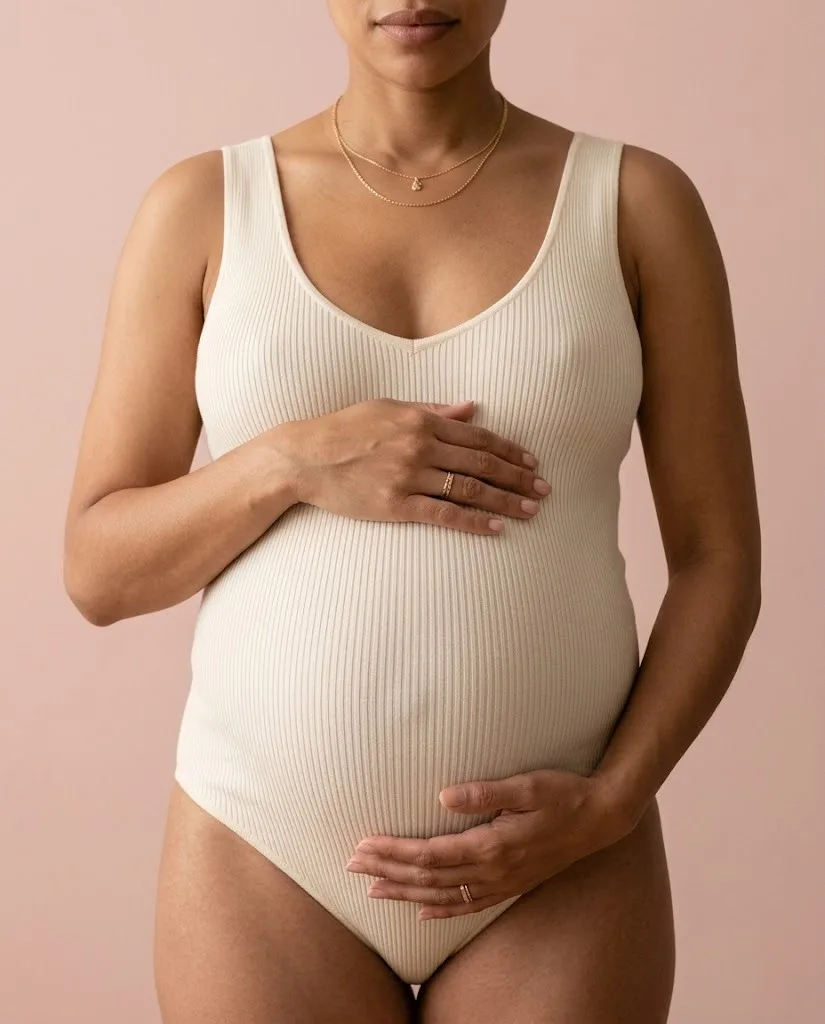
Feeling more like yourself
For many people, weeks 14 to 27 feel easier. Nausea and tiredness often fade, and your energy comes back. It can be a good time to plan, travel or start antenatal classes.
Your bump begins to show, and your body keeps changing. Skin may darken in places and stretch marks can appear. Both are common and often fade after birth.
Your baby is growing
Your baby grows from about 8 cm to around 35 cm long in these weeks. They can hear sounds, suck their thumb and move a lot, even before you feel it.
Most people feel the first movements between weeks 16 and 24. At first they feel like flutters or bubbles. In a first pregnancy you may notice them later.
The anomaly scan
The mid-pregnancy scan, offered at 18 to 21 weeks, looks closely at your baby’s body, organs and growth. It also checks where the placenta is.
You can usually ask to find out the sex at this scan if the hospital offers it. Bring someone with you if you would like support.
Common aches and how to ease them
Back pain, round ligament pain (a sharp pull low on the sides of the bump), heartburn and leg cramps are common. Good posture, gentle stretching, warm baths and smaller meals can help.
Pelvic girdle pain, felt at the front or back of the pelvis, is common too. It is not harmful to your baby, but tell your midwife. A physiotherapist can help a lot.
Good things to do now
Keep moving most days. Start pelvic floor exercises if you have not already. Book antenatal classes, and start thinking about where you want to give birth.
From week 28 you will go to sleep on your side, so this is a good time to find a comfortable pillow set-up.
 Third trimester
 Baby movements
 Eating in pregnancy