 MIA
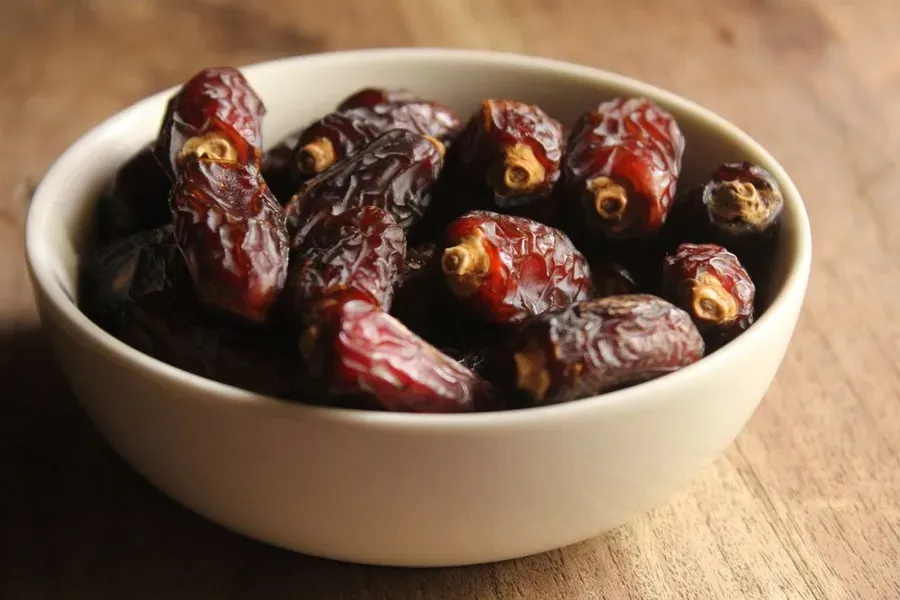
Eating well, without stress
You do not need a special diet. Aim for a mix of fruit and vegetables, wholegrains, protein such as beans, eggs, fish or meat, and dairy or fortified alternatives.
You only need about 200 extra calories a day in the last three months, roughly a slice of toast with peanut butter. Eating for two is a myth.
Supplements in the UK
Take 400 micrograms of folic acid daily before pregnancy and until week 12. It helps prevent problems with the baby’s spine. Some people need a higher dose, so ask your GP.
Take 10 micrograms of vitamin D daily throughout pregnancy and breastfeeding. Avoid supplements with vitamin A (retinol), as too much can harm your baby.
Foods to avoid
Avoid unpasteurised milk and soft cheeses with a white rind (such as brie) unless cooked until steaming. Avoid all pâté, liver, and raw or undercooked meat.
British Lion eggs can be eaten runny. Other eggs should be cooked until firm. Wash fruit and vegetables well.
Fish
Fish is good for you and your baby. Aim for two portions a week, including one of oily fish.
Have no more than two portions of oily fish, such as salmon or mackerel, a week. Avoid shark, swordfish and marlin, and limit tuna.
Caffeine and alcohol
Keep caffeine under 200 mg a day. That is about two mugs of instant coffee or one mug of filter coffee. Tea, cola and chocolate count too.
The safest choice is no alcohol at all in pregnancy. If you drank before you knew you were pregnant, try not to worry, and talk to your midwife.
 Exercise in pregnancy
 Braxton Hicks
 Pregnancy week by week