Birth
2 min read · 1 min summary

Eating dates in late pregnancy: what the research says

Many people hear that eating dates near the end of pregnancy helps labour. Mia explains what the studies found and how strong the proof really is.

Start free
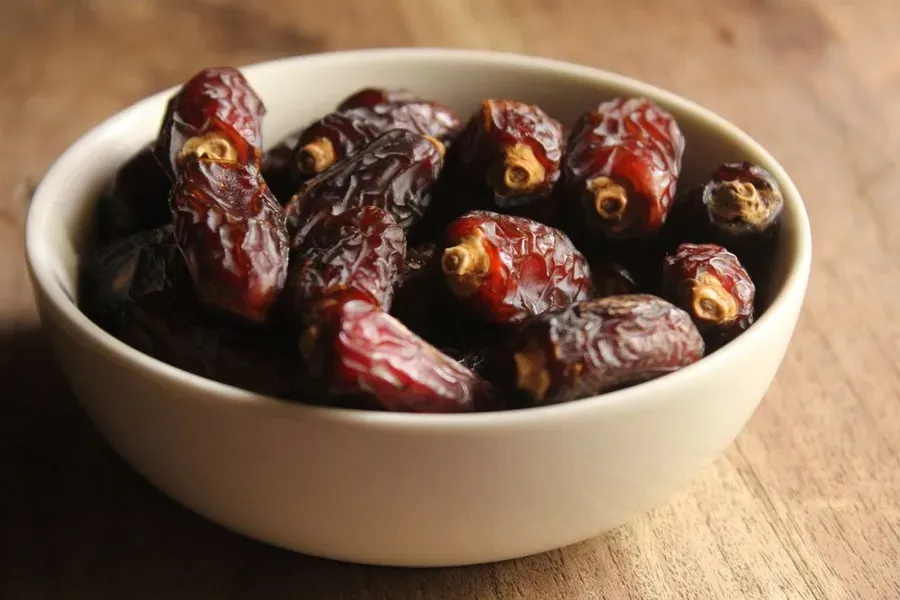
Dates from week 36

In short

01

What people do

Some people eat about six dates a day from week 36, as a snack.

02

What studies found

Small studies suggest dates may help the cervix get ready and labour start on its own. The studies are small, so the proof is limited.

03

Who should be careful

Dates are high in natural sugar. If you have gestational diabetes, ask your midwife or doctor first.

04

Keep it simple

Dates are a food, not a treatment. They do not replace care from your midwife.

Why people eat dates

Dates are a tradition in many cultures for the end of pregnancy. They are sweet, filling and full of fibre.

What the studies found

A few small trials suggest that eating dates from week 36 may be linked with a readier cervix, a shorter early labour and less need for induction.

But the studies are small and not all agree, so the evidence is weak. More research is needed.

How people eat them

Most studies used about six dates a day, around 60 to 80 grams, from week 36. Eat them as a snack, with yoghurt, or in porridge.

Who should be careful

Dates are high in natural sugar. If you have gestational diabetes or another health condition, ask your midwife or doctor first.
Based on small clinical trials and reviews of date fruit in late pregnancy. The evidence is limited and more research is needed. Mia teaches. Your midwife knows you best.

Sources: Small clinical trials and systematic reviews of date fruit in late pregnancy

Good to know

How many dates do people eat?

Studies often used about six dates a day, from week 36.

Can dates start labour?

There is no proof they start labour. Some small studies link them with a readier cervix and less need for induction.

Are dates safe in pregnancy?

Yes, as part of a balanced diet. Ask first if you have diabetes.

More on birth

Perineal carePain reliefInduction
All 15 birth guides