Tear prevention: perineal massage and what else helps
Many people worry about tearing. This guide covers what the research says helps and how to talk about it with your midwife.
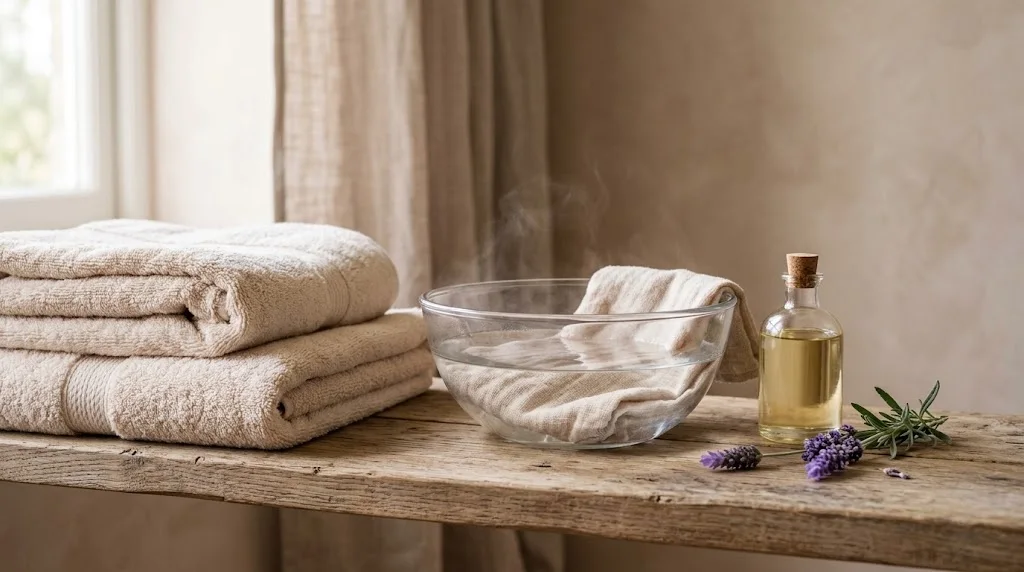
- Perineal massageFrom 35 weeks, perineal massage has been shown to reduce the risk of tears, especially in a first birth.
- In labourYou can ask your midwife to support your perineum as your baby is born. This lowers the risk of a deeper tear.
- PositionsA kneeling or all-fours position may reduce how severe tearing is.
- HealingKeep clean and dry, rest, and use pain relief. Call if pain worsens or the wound smells.
How common tears are
Up to 9 in 10 first-time mothers who have a vaginal birth will have some sort of tear, graze or episiotomy.1
Most tears heal within 6 weeks with no long-term problems. About 6 in 100 first-time mothers, and 2 in 100 who have given birth vaginally before, have a deeper tear involving the anal muscle. These are repaired in an operating theatre.2
What may help
A kneeling or all-fours birthing position may be beneficial and may reduce how severe tearing is.2
You can ask your midwife to support your perineum as your baby is born. This “hands-on” birth reduces the risk of a deeper tear.2
From 35 weeks you may choose to try perineal massage until your baby arrives. It has been shown to reduce the risk of tears and is most helpful for first-time mothers.2
How to do perineal massage
Use a lubricant such as vitamin E oil, almond oil or olive oil.2
Hold one or both thumbs just inside the vagina for about a minute until you feel a stretch. Keep breathing.2
Gently massage the lower half of the vagina in a U-shaped movement for 2 to 3 minutes. Do this 2 to 3 times, daily or when you can. Your partner can help.2
Episiotomy
An episiotomy is a cut to make the opening wider. In England it is not done routinely.1
NICE says it might be done if your baby is in distress and needs to be born quickly, if forceps or ventouse are needed, or if there is a risk of a tear to the anus. Your midwife or doctor will talk it through with you.1
After the birth
If you have a tear or an episiotomy you will probably need dissolvable stitches. Stitches should heal within about a month.1
Paracetamol is safe while breastfeeding. A wrapped ice pack, airing the stitches and pouring warm water over the area as you pee can help. Pain usually does not last longer than 2 to 3 weeks.1
Pelvic floor exercises help healing and ease pressure on the area. A midwife can show you how.1
- Your stitches get more painful
- Smelly discharge
- Red, swollen skin around the cut or tear
- Pain after a tear lasts longer than 2 to 3 weeks
Does perineal massage work?
The RCOG says it has been shown to reduce the risk of tears when done from 35 weeks, especially for first-time mothers. It is your choice.
Will I need stitches?
Small tears and grazes are often left without stitches. A larger tear or an episiotomy needs dissolvable stitches, which heal within about a month.
More on birth
 Pain relief
 Induction
 Caesarean birth
Mia walks with you.
Short guides, a daily check-in and a calm voice, from week one to the first weeks with your baby.
Start free